
Smart Posture Correction Tips for Connewarre: Posture Improvement Advice
Maintaining good posture is essential for your overall health and well-being. Whether you spend long hours at a desk, enjoy outdoor activities, or simply want to reduce discomfort, improving your posture can make a significant difference. Poor posture can lead to back pain, neck stiffness, headaches, and even movement restrictions. Fortunately, with some simple, smart strategies, you can enhance your posture and support your body’s natural alignment.
In this article, you will find practical, evidence-informed tips to help you correct your posture effectively. These suggestions are designed to be easy to follow and adaptable to your daily routine, helping you feel more comfortable and supported in your body.
Understanding the Importance of Posture Improvement Advice
Good posture is more than just standing up straight. It involves the correct alignment of your body parts to reduce strain on muscles, ligaments, and joints. When your posture is balanced, your body functions more efficiently, and you are less likely to experience pain or injury.
Poor posture often develops gradually due to habits like slouching at a desk, carrying heavy bags unevenly, or repetitive movements. Over time, these habits can cause muscle imbalances and joint stress. By focusing on posture improvement advice, you can:
Reduce the risk of chronic pain in your back, neck, and shoulders.
Improve breathing and circulation.
Enhance your balance and coordination.
Boost your confidence and appearance.
Taking small steps to improve your posture can have lasting benefits for your health and quality of life.
Practical Posture Improvement Advice for Everyday Life
Improving your posture does not require drastic changes. Instead, it’s about making mindful adjustments throughout your day. Here are some practical tips you can start using right now:
1. Set Up an Ergonomic Workspace
If you work at a desk, your workstation setup plays a crucial role in your posture. Ensure that:
Your computer screen is at eye level to avoid leaning forward.
Your chair supports the natural curve of your lower back.
Your feet rest flat on the floor or on a footrest.
Your keyboard and mouse are positioned so your elbows stay close to your body and form a 90-degree angle.
2. Practice Mindful Sitting and Standing
When sitting, keep your back straight and shoulders relaxed.
Avoid crossing your legs for long periods.
When standing, distribute your weight evenly on both feet.
Keep your shoulders back and your chin parallel to the floor.
3. Take Regular Movement Breaks
Sitting or standing in one position for too long can cause stiffness and poor posture. Aim to:
Stand up and stretch every 30 to 60 minutes.
Walk around briefly to encourage blood flow.
Perform gentle neck and shoulder rolls to release tension.
4. Strengthen Your Core Muscles
A strong core supports your spine and helps maintain good posture. Incorporate exercises such as:
Planks
Bridges
Pilates or yoga poses focused on core engagement
5. Use Supportive Footwear
Wearing shoes with good arch support and cushioning can influence your posture positively, especially if you spend a lot of time on your feet.

How to Correct Your Posture Quickly?
Sometimes, you need a quick posture reset, especially if you notice discomfort or slouching during the day. Here are some fast and effective techniques:
1. The Wall Test
Stand with your back against a wall, heels about 10cm away from it. Your buttocks, shoulder blades, and head should touch the wall. This position helps you feel what proper alignment feels like. Try to replicate this posture when standing or sitting.
2. Shoulder Blade Squeeze
Sit or stand tall and gently squeeze your shoulder blades together. Hold for 5 seconds and release. Repeat 10 times. This exercise strengthens the upper back muscles and counters rounded shoulders.
3. Chin Tucks
Gently tuck your chin in, as if making a double chin, without tilting your head down. Hold for 5 seconds and repeat 10 times. This helps correct forward head posture, which is common in people who use computers or mobile devices frequently.
4. Use Reminders
Set alarms or sticky notes around your workspace to remind you to check and correct your posture throughout the day.
5. Adjust Your Seating
If you notice slouching, adjust your chair height or add a lumbar roll to support your lower back.
These quick fixes can help you regain proper posture and reduce discomfort immediately.
Incorporating Movement and Stretching into Your Routine
Movement is key to maintaining good posture and preventing stiffness. Incorporate these stretches and movements into your daily routine:
1. Chest Opener Stretch
Stand tall and clasp your hands behind your back. Gently lift your arms while opening your chest. Hold for 20-30 seconds. This stretch counteracts the effects of slouching.
2. Cat-Cow Stretch
On all fours, alternate between arching your back (cat) and dipping it towards the floor (cow). Repeat 10 times. This movement increases spinal flexibility and relieves tension.
3. Hip Flexor Stretch
Kneel on one knee with the other foot in front, forming a 90-degree angle. Push your hips forward gently to stretch the front of your hip. Hold for 20-30 seconds on each side. Tight hip flexors can contribute to poor posture.
4. Neck Stretch
Tilt your head to one side, bringing your ear towards your shoulder. Hold for 20 seconds and switch sides. This helps relieve neck stiffness.
5. Regular Walking or Swimming
Engaging in low-impact aerobic activities supports overall muscle balance and posture.

When to Seek Professional Help for Posture Correction
While many posture issues can be improved with self-care, some situations require professional assessment and treatment. You should consider consulting a healthcare provider if you experience:
Persistent or worsening back, neck, or shoulder pain.
Headaches related to muscle tension.
Movement restrictions or stiffness.
Postural imbalances that affect your daily activities.
Discomfort that does not improve with home exercises.
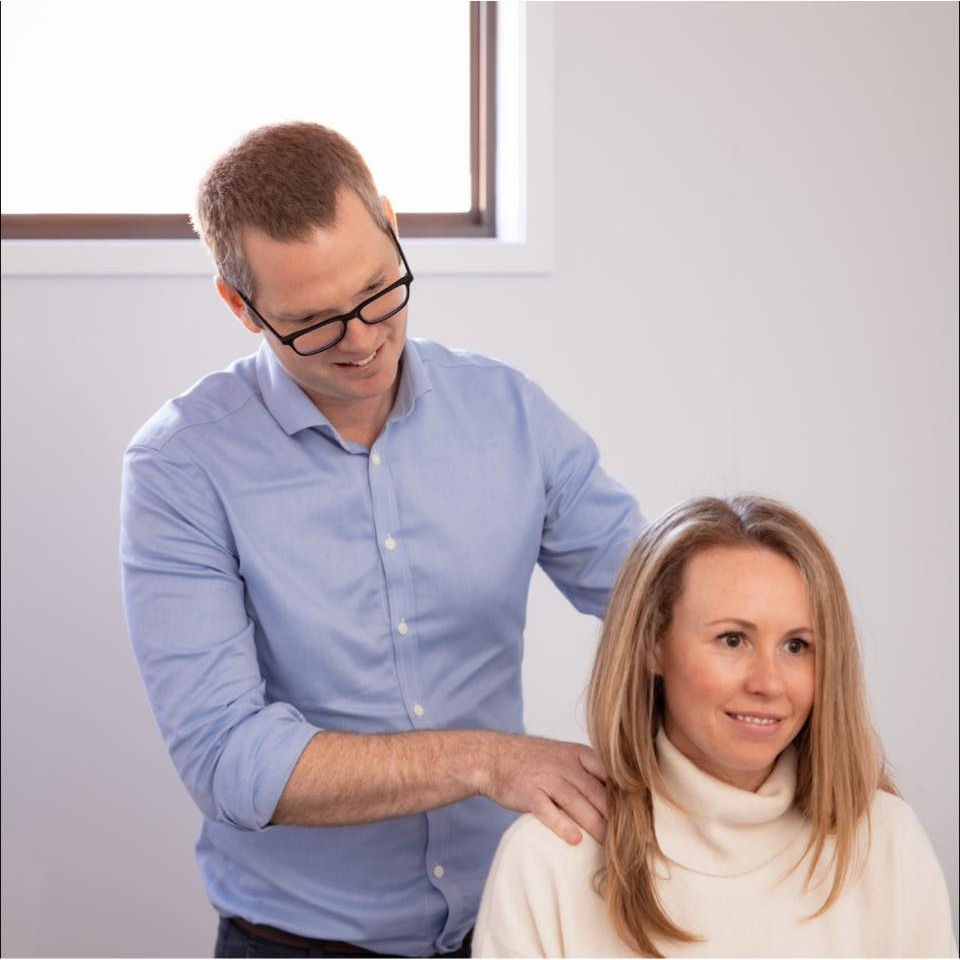
A chiropractor or physiotherapist can provide personalized care, including hands-on treatment, tailored exercises, and advice specific to your needs. They can also help identify underlying causes of poor posture and develop a long-term plan to support your health.
If you live near Connewarre, you can find expert guidance and support for your posture needs through posture correction connewarre.
Embracing a Healthier Posture for a Better Life
Improving your posture is a journey that involves awareness, consistent effort, and sometimes professional support. By applying these smart posture correction tips, you can reduce pain, enhance your movement, and enjoy a more comfortable daily life.
Remember, small changes add up. Whether it’s adjusting your workstation, taking movement breaks, or practicing quick posture resets, every step counts. Prioritising your posture is an investment in your long-term health and well-being.
If you ever feel unsure about your posture or experience ongoing discomfort, don’t hesitate to reach out to a trusted healthcare provider. They can help you move confidently towards a healthier, more balanced you.


Comments