
Effective Sports Injury Recovery: Your Path to Regaining Strength and Mobility
Recovering from a sports injury can feel overwhelming, but with the right approach, you can regain your strength, mobility, and confidence. Whether you’ve experienced a sprain, strain, or a more serious injury, understanding the recovery process is key to returning to your favourite activities safely and effectively. This guide will walk you through practical steps and expert advice to support your healing journey.
Understanding Your Sports Injury and Its Impact
When you sustain a sports injury, your body undergoes a natural healing process that involves inflammation, tissue repair, and gradual restoration of function. Common injuries include muscle strains, ligament sprains, tendonitis, and fractures. Each injury type requires a tailored recovery plan.
For example, a mild ankle sprain might need rest and gentle movement, while a torn ligament could require more intensive rehabilitation. Recognising the severity of your injury early on helps you avoid further damage and sets realistic expectations for your recovery timeline.
Key points to consider:
Listen to your body: Pain and swelling are signals to slow down.
Seek professional assessment: A healthcare provider can diagnose your injury accurately.
Follow a structured plan: Recovery is a step-by-step process, not a race.

The Role of Chiropractic Care in Sports Injury Recovery
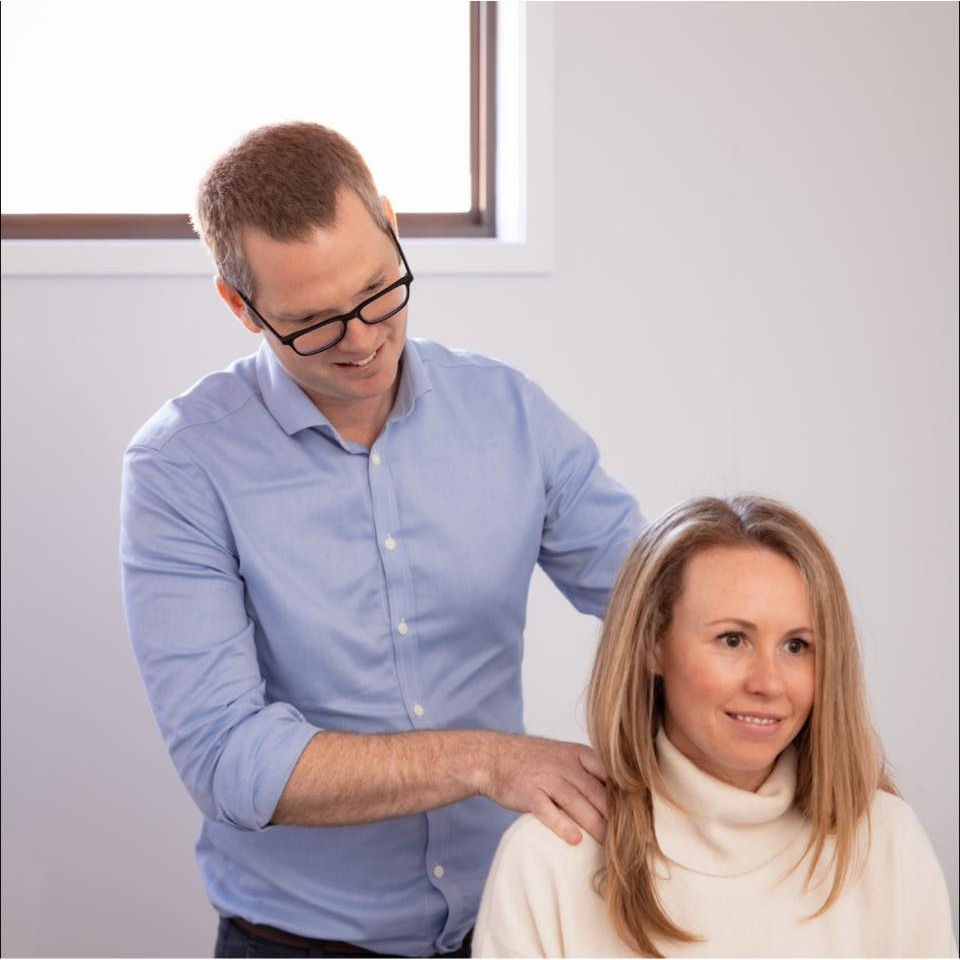
Chiropractic care plays a vital role in supporting your body’s natural healing mechanisms. At Barwon Heads Chiropractic, we focus on personalised treatment plans that address your specific injury and overall movement patterns. This approach helps reduce pain, improve joint function, and prevent future injuries.
Chiropractors use gentle adjustments, soft tissue therapy, and rehabilitation exercises to restore balance and mobility. For example, if you have a knee injury, treatment might include realigning the joint, releasing tight muscles, and strengthening surrounding tissues.
Benefits of chiropractic care include:
Enhanced joint mobility and flexibility
Reduced inflammation and muscle tension
Improved posture and movement mechanics
Support for gradual return to activity

Practical Steps to Support Your Recovery
Your active participation in recovery is crucial. Here are some practical steps you can take to support healing and regain function:
Rest and Protect the Injury
Avoid activities that cause pain or stress to the injured area. Use supports like braces or taping if recommended.
Apply Ice and Compression
Ice helps reduce swelling and pain, especially in the first 48 hours. Compression with bandages can control inflammation.
Gradual Movement and Stretching
Once acute pain subsides, gentle movement prevents stiffness. Stretching improves flexibility and circulation.
Strengthening Exercises
Targeted exercises rebuild muscle strength and joint stability. A professional can guide you on the right exercises.
Maintain Overall Fitness
Engage in low-impact activities like swimming or cycling to keep your cardiovascular health without stressing the injury.
Nutrition and Hydration
Eating a balanced diet rich in protein, vitamins, and minerals supports tissue repair. Staying hydrated aids recovery.
Monitor Progress and Adjust
Keep track of your symptoms and improvements. Adjust your activity level based on how your body responds.
Returning to Sport Safely and Confidently
Returning to your sport too soon can lead to setbacks. It’s important to follow a gradual return-to-play protocol that includes:
Functional Testing: Assess your strength, balance, and range of motion.
Sport-Specific Drills: Practice movements that mimic your sport demands.
Pain-Free Performance: Ensure you can perform activities without pain or discomfort.
Ongoing Support: Continue chiropractic care and exercises to maintain progress.
Remember, recovery is not just physical. Mental readiness plays a big role. Stay positive, set realistic goals, and celebrate small victories along the way.
Long-Term Health and Injury Prevention
Once you’ve recovered, focus on maintaining your health to prevent future injuries. This includes:
Regular chiropractic check-ups to keep your body aligned
Consistent strength and flexibility training
Proper warm-up and cool-down routines before and after activity
Using appropriate equipment and footwear
Listening to your body and addressing minor aches early
By adopting these habits, you can enjoy your favourite activities with confidence and reduce the risk of recurring injuries.
For more detailed guidance on your recovery from sports injuries, feel free to reach out to our team. We’re here to support your journey back to health in a warm and welcoming environment.
Taking the right steps after a sports injury can make all the difference in your healing and long-term wellbeing. With patience, professional care, and a positive mindset, you’ll be back to moving freely and enjoying life’s activities in no time.


Comments