
Support Your Sports Injury Recovery Journey: Recovering from Sports Injuries
Experiencing a sports injury can be frustrating and challenging. Whether you’re a weekend golfer, a dedicated athlete, or someone who enjoys staying active, an injury can disrupt your routine and affect your overall wellbeing. The good news is that with the right support and approach, you can navigate your recovery journey effectively and return to the activities you love. This guide is designed to help you understand the key steps in recovering from sports injuries and how to support your body and mind throughout the process.
Understanding Your Injury and Its Impact
When you sustain a sports injury, the first step is to understand what type of injury you have and how it affects your body. Injuries can range from minor sprains and strains to more serious issues like fractures or ligament tears. Each injury requires a tailored approach to healing.
For example, a sprained ankle might need rest, ice, compression, and elevation (RICE) initially, followed by gentle movement and strengthening exercises. On the other hand, a more complex injury like a torn ligament may require professional assessment, imaging, and possibly surgery before rehabilitation begins.
Knowing the nature of your injury helps you set realistic expectations and avoid activities that could worsen your condition. It also empowers you to take an active role in your recovery.

Steps to Support Recovering from Sports Injuries
Recovering from sports injuries involves a combination of rest, treatment, and gradual return to activity. Here are some practical steps to guide you:
Seek Professional Assessment
Early evaluation by a healthcare professional, such as a chiropractor or physiotherapist, ensures an accurate diagnosis. They can recommend appropriate treatments and help you avoid common pitfalls like overexertion or improper healing.
Follow a Structured Treatment Plan
Treatment may include manual therapy, exercises, pain management techniques, and education about your injury. Consistency is key, so attend all appointments and follow home exercise programs diligently.
Manage Pain and Inflammation
Use ice packs, compression wraps, and elevation to reduce swelling in the initial days. Over-the-counter pain relief can be helpful but should be used as advised by your healthcare provider.
Gradual Return to Movement
Avoid complete immobilisation unless necessary. Gentle, controlled movement promotes blood flow and healing. Your practitioner will guide you on when and how to increase activity safely.
Focus on Strength and Flexibility
As healing progresses, strengthening the injured area and improving flexibility helps prevent future injuries. Tailored exercises improve muscle balance and joint stability.
Maintain Overall Health
Nutrition, hydration, and adequate sleep support tissue repair. Avoid smoking and excessive alcohol, as these can delay healing.
Stay Positive and Patient
Recovery can take time, and setbacks may occur. Maintaining a positive mindset and celebrating small milestones can keep you motivated.
By following these steps, you create a supportive environment for your body to heal and regain function.
The Role of Chiropractic Care in Your Recovery
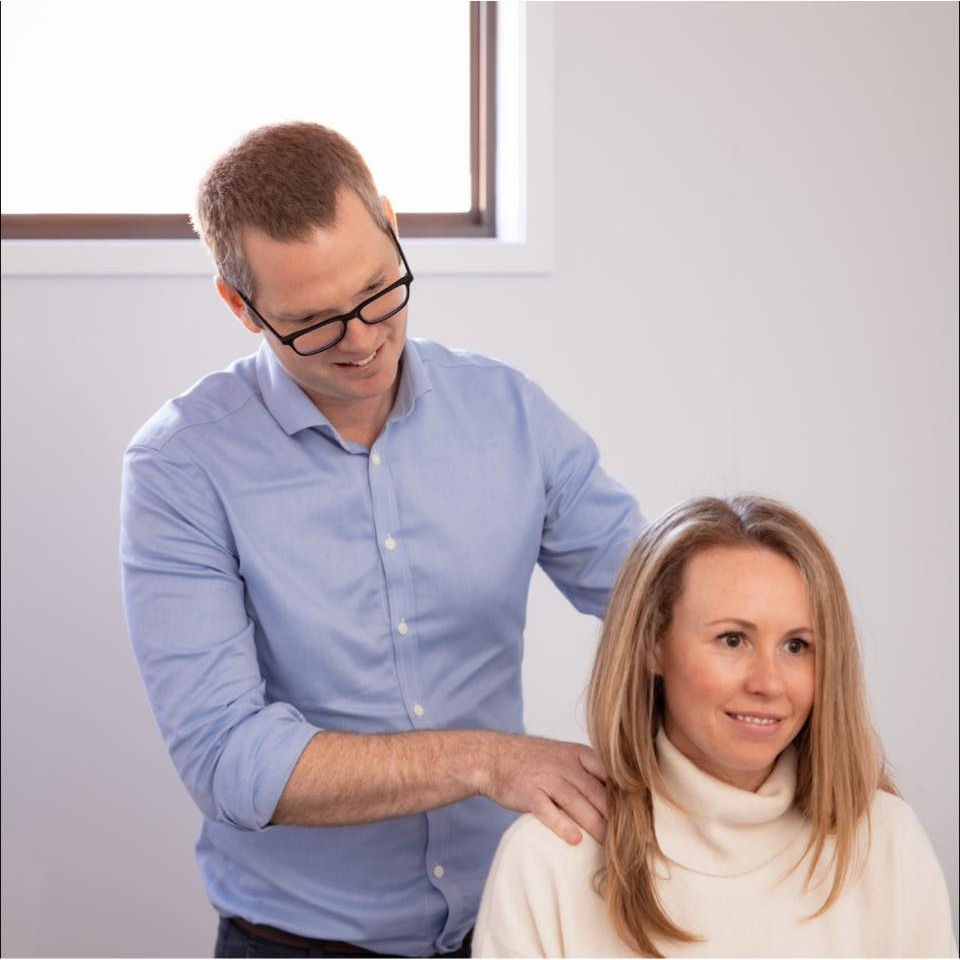
Chiropractic care can be a valuable part of your recovery journey. Chiropractors specialise in musculoskeletal health and can provide hands-on treatment to reduce pain, improve joint mobility, and support your body’s natural healing processes.
For example, if you have back pain or neck pain related to your injury, chiropractic adjustments may help relieve tension and improve alignment. Chiropractors also offer advice on posture, movement, and exercises tailored to your needs.
At Barwon Heads Chiropractic, the focus is on personalised care that respects your unique situation. The goal is not only to address your current injury but also to enhance your long-term health and movement quality.

Tips for Preventing Future Sports Injuries
Once you’ve recovered, it’s natural to want to avoid repeating the experience. Injury prevention is an important part of staying active and healthy. Here are some tips to help you reduce your risk:
Warm Up and Cool Down
Always prepare your body with a proper warm-up before exercise and cool down afterwards to reduce muscle stiffness.
Use Proper Technique
Whether you’re swinging a golf club or running, correct technique reduces strain on your body.
Wear Appropriate Gear
Supportive footwear and protective equipment can make a big difference.
Listen to Your Body
Avoid pushing through pain or fatigue. Rest when needed.
Incorporate Cross-Training
Vary your activities to avoid overuse injuries and improve overall fitness.
Stay Hydrated and Nourished
Proper nutrition supports muscle function and recovery.
By integrating these habits into your routine, you can enjoy your favourite sports with greater confidence and safety.
Embracing a Holistic Approach to Movement and Health
Recovering from sports injuries is not just about healing the injured area. It’s an opportunity to embrace a holistic approach to your movement and overall health. This means paying attention to your posture, ergonomics, and lifestyle choices that affect your wellbeing.
For example, if you spend long hours at a desk, addressing neck and back posture can reduce strain and prevent pain. Incorporating regular movement breaks, stretching, and strengthening exercises can improve your resilience.
Community support also plays a role. Engaging with local healthcare providers, joining group exercise classes, or participating in sports clubs can provide motivation and social connection.
Remember, your recovery journey is unique. Taking a comprehensive approach helps you build a foundation for lasting health and enjoyment of physical activity.
Supporting your recovery journey after a sports injury is about more than just treating pain. It’s about understanding your body, following a thoughtful plan, and making choices that promote healing and long-term wellbeing. If you want to learn more about recovery from sports injuries, reach out to your local healthcare professionals who can guide you with personalised care and support.
By taking these steps, you’re investing in your health and your ability to stay active for years to come.


Comments