
Your Guide to Sports Injury Recovery Tips
Experiencing a sports injury can be frustrating and challenging. Whether you’re a weekend golfer, a dedicated athlete, or someone who enjoys staying active with family, understanding how to recover safely and effectively is essential. This guide will walk you through practical steps and helpful advice to support your healing journey. You’ll learn how to manage pain, regain movement, and return to your favourite activities with confidence.
Understanding Your Injury and Its Impact
When you get injured during sports or physical activity, the first step is to understand what type of injury you have. Common sports injuries include sprains, strains, fractures, and tendonitis. Each injury affects your body differently and requires a tailored approach to recovery.
For example, a sprained ankle involves stretched or torn ligaments, which need rest and gentle movement to heal properly. On the other hand, a muscle strain might benefit from early stretching and strengthening exercises once the initial pain subsides.
Knowing the severity of your injury helps you avoid making it worse. If you experience severe pain, swelling, or difficulty moving a joint, it’s important to seek professional advice promptly. Early assessment by a healthcare provider can guide you on the best treatment plan and prevent long-term problems.
Essential Sports Injury Recovery Tips
Recovering from a sports injury involves more than just resting. Here are some key tips to help you heal effectively:
Rest and Protect the Injured Area
Give your body time to heal by avoiding activities that cause pain or strain. Use supports like braces or taping if recommended.
Apply Ice and Compression
Ice helps reduce swelling and pain, especially in the first 48 hours after injury. Compression with a bandage can also control swelling.
Elevate the Injury
Keeping the injured limb raised above heart level helps reduce swelling and promotes circulation.
Gradual Movement and Stretching
Once the initial pain eases, gentle movement and stretching prevent stiffness and improve flexibility.
Strengthening Exercises
Building strength around the injured area supports recovery and reduces the risk of re-injury.
Stay Hydrated and Eat Well
Proper nutrition fuels your body’s healing process. Focus on a balanced diet rich in protein, vitamins, and minerals.
Listen to Your Body
Avoid pushing through pain. If an activity causes discomfort, stop and rest.
Seek Professional Guidance
A healthcare professional can design a personalised recovery plan tailored to your injury and lifestyle.
These tips form the foundation of a safe and effective recovery process. Remember, healing takes time, and patience is key.
The Role of Chiropractic Care in Your Recovery
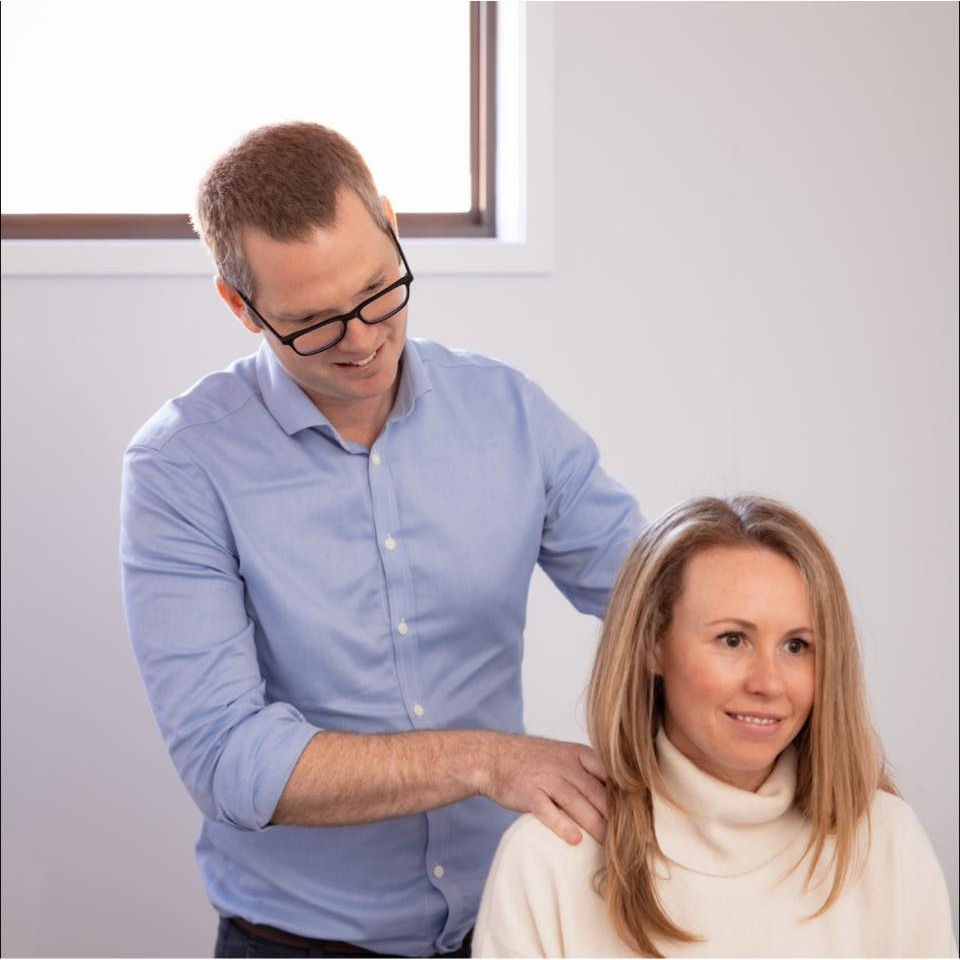
Chiropractic care can be a valuable part of your recovery from sports injuries. Chiropractors focus on restoring movement, reducing pain, and improving overall function. They use hands-on techniques to adjust joints and soft tissues, which can help speed up healing and prevent future injuries.
For example, if you have back pain or neck stiffness after a sports injury, chiropractic adjustments can relieve tension and improve alignment. This not only eases discomfort but also supports better movement patterns during your recovery.
In addition to adjustments, chiropractors often provide advice on posture, ergonomics, and exercises tailored to your needs. This holistic approach helps you regain strength and mobility safely.
If you’re recovering from a sports injury, consider consulting a chiropractor who understands your goals and can support your journey back to full activity.
Managing Pain and Preventing Setbacks
Pain is a natural part of injury recovery, but managing it effectively is important to avoid setbacks. Here are some strategies to help you cope with pain while promoting healing:
Use Over-the-Counter Pain Relief Wisely
Medications like paracetamol or anti-inflammatories can help control pain and swelling. Always follow the recommended dosage and consult a healthcare provider if unsure.
Practice Relaxation Techniques
Stress and tension can increase pain perception. Techniques such as deep breathing, meditation, or gentle yoga can help you relax.
Maintain a Positive Mindset
Staying optimistic and focused on your recovery goals can improve your overall experience and motivation.
Avoid Re-injury
Gradually return to activity and avoid rushing back too soon. Follow your healthcare provider’s advice on when and how to resume sports.
Monitor Your Progress
Keep track of your symptoms and improvements. If pain worsens or new symptoms appear, seek professional advice promptly.
By managing pain thoughtfully, you can support your body’s natural healing process and reduce the risk of chronic issues.
Returning to Activity Safely
Getting back to your favourite sports or daily activities after an injury requires careful planning. Here are some steps to help you return safely:
Follow a Gradual Return-to-Play Plan
Start with low-intensity activities and slowly increase duration and intensity as tolerated.
Warm Up and Cool Down
Always prepare your body with a proper warm-up before activity and cool down afterwards to prevent stiffness.
Use Proper Technique and Equipment
Ensure your movements are correct and your gear fits well to reduce injury risk.
Incorporate Strength and Flexibility Training
Regular exercises that target key muscle groups help maintain your body’s resilience.
Stay Hydrated and Rested
Good hydration and sleep support recovery and performance.
Listen to Your Body
If you feel pain or discomfort, pause and reassess your activity level.
By following these steps, you can enjoy your activities with confidence and reduce the chance of re-injury.
For more detailed advice on recovery from sports injuries, consider reaching out to a local healthcare provider who can tailor a plan to your specific needs.
Supporting Long-Term Health and Movement
Recovering from a sports injury is not just about healing the immediate problem. It’s also an opportunity to improve your overall health and movement habits. Here are some ways to support your long-term wellbeing:
Maintain Regular Physical Activity
Staying active helps keep your muscles strong and joints flexible.
Practice Good Posture
Whether at work or during sports, good posture reduces strain on your body.
Incorporate Cross-Training
Varying your activities can prevent overuse injuries and improve overall fitness.
Schedule Regular Check-Ups
Regular visits to a healthcare provider can catch issues early and keep you on track.
Stay Educated About Your Body
Understanding how your body moves and responds to stress empowers you to make better choices.
By focusing on these habits, you can enjoy a healthier, more active life with less pain and fewer injuries.
Recovering from a sports injury can feel overwhelming, but with the right approach, you can regain your strength and confidence. Remember to be patient, listen to your body, and seek professional support when needed. Your journey to better movement and health starts with small, consistent steps.


Comments